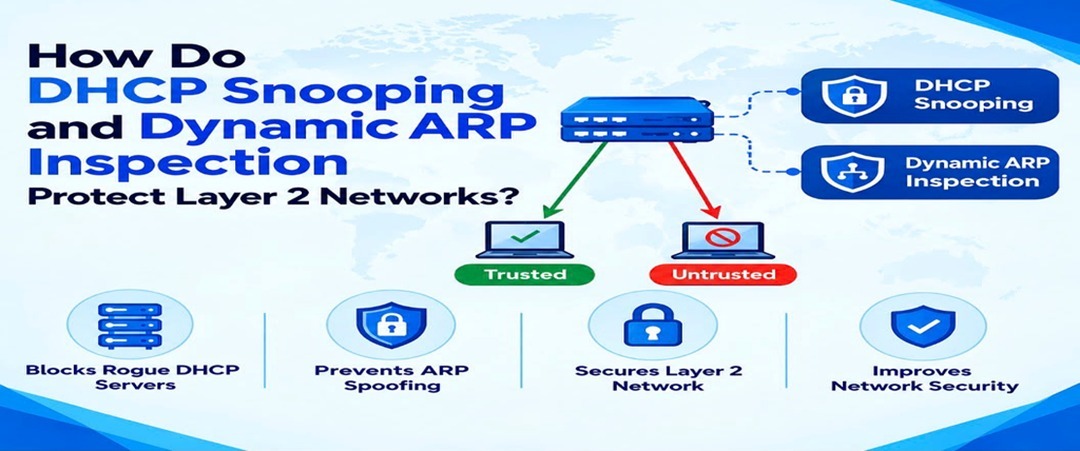
IntroductionLayer 2 networks rely on protocols such as DHCP and ARP to provide hosts with network configuration and to map IP addresses to MAC addresses. Although these protocols are essential, attackers can abuse them to redirect traffic, impersonate devices, or …
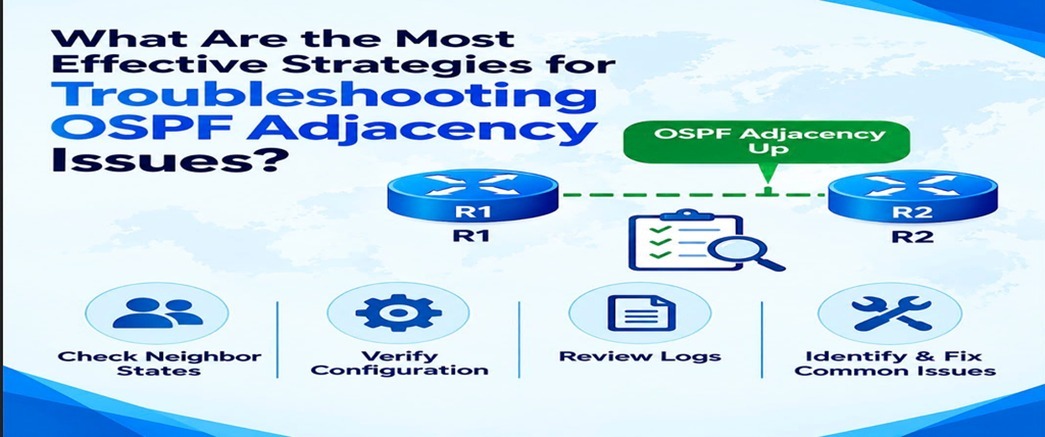
IntroductionOpen Shortest Path First (OSPF) is a link-state routing protocol widely used in enterprise networks. OSPF routers exchange link-state information and form neighbor adjacencies so that they can synchronize their link-state databases and calculate routes.When an OSPF adjacency fails to …
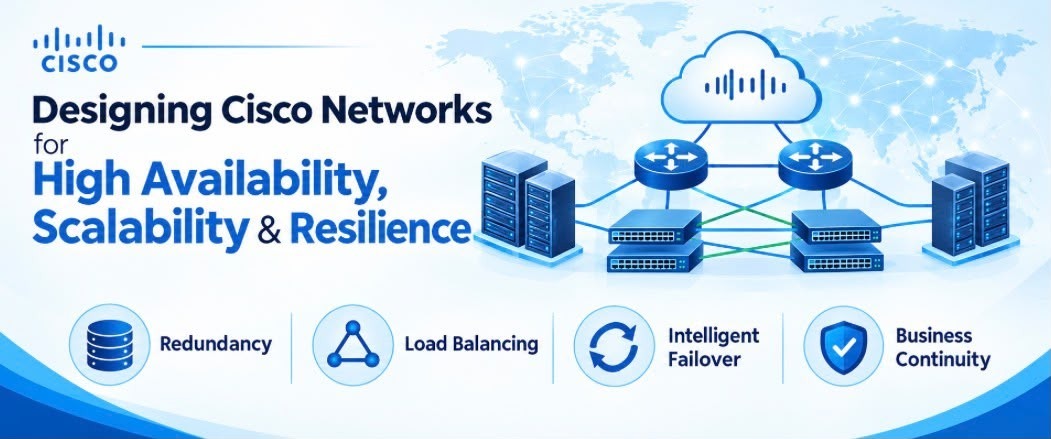
IntroductionEnterprise networks must remain available while supporting increasing numbers of users, applications, devices, and sites. A well-designed Cisco network therefore needs more than connectivity. It should be able to tolerate component failures, grow without major redesign, and recover quickly when …
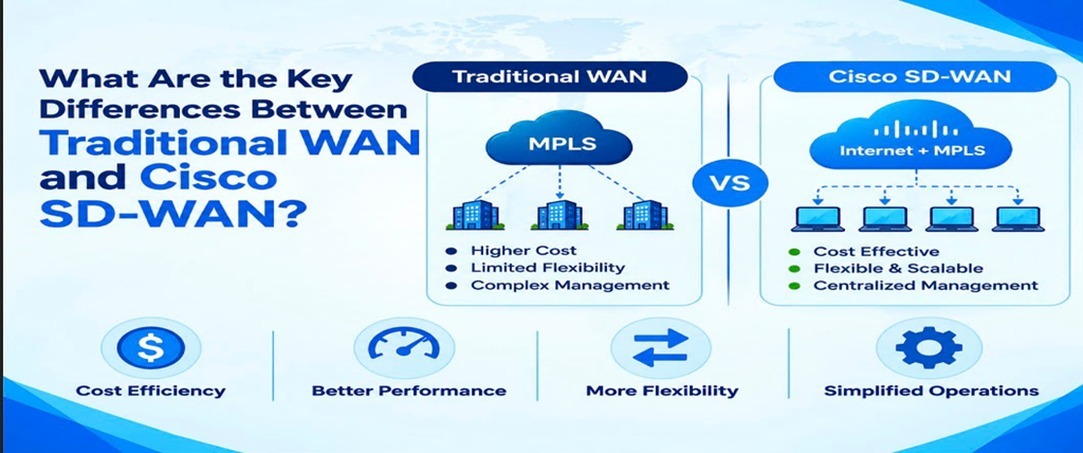
IntroductionWide Area Networks (WANs) connect users, branch offices, data centers, cloud environments, and applications across geographically distributed locations. Traditional WAN architectures have commonly relied on private connectivity such as MPLS, along with manually configured routers and centralized operational processes.As organizations …
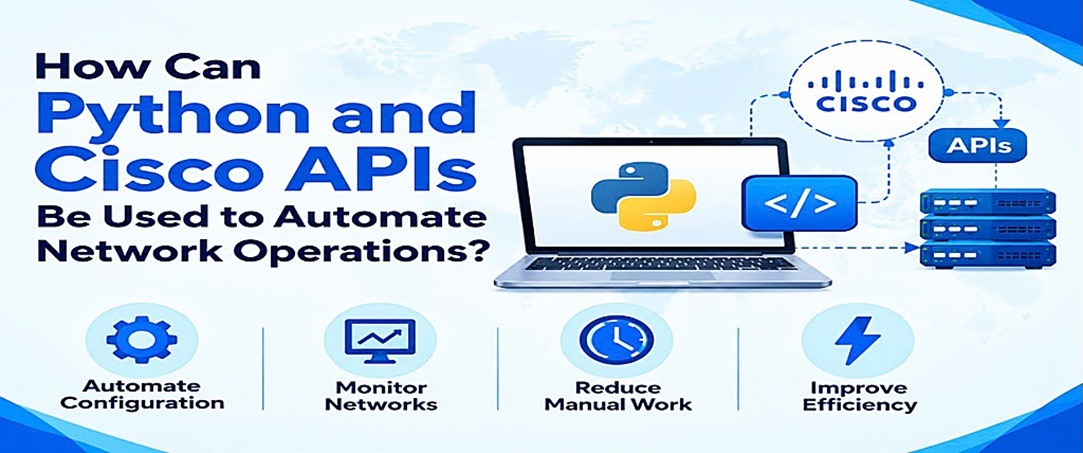
IntroductionModern networks are becoming increasingly large and complex. Manually configuring routers, switches, firewalls, and other network devices can take significant time and can introduce configuration errors. Network automation helps engineers perform repetitive tasks consistently and efficiently.Python and Cisco APIs provide …
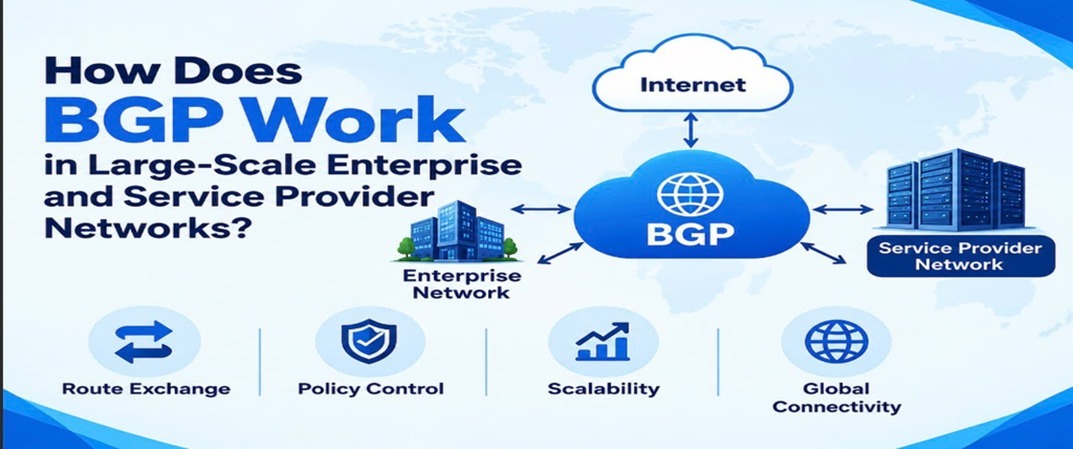
IntroductionBorder Gateway Protocol (BGP) is the routing protocol used to exchange routing information between different autonomous systems (ASes). It plays a critical role in large-scale enterprise networks, Internet Service Provider (ISP) networks, and the global Internet.Unlike interior gateway protocols such …
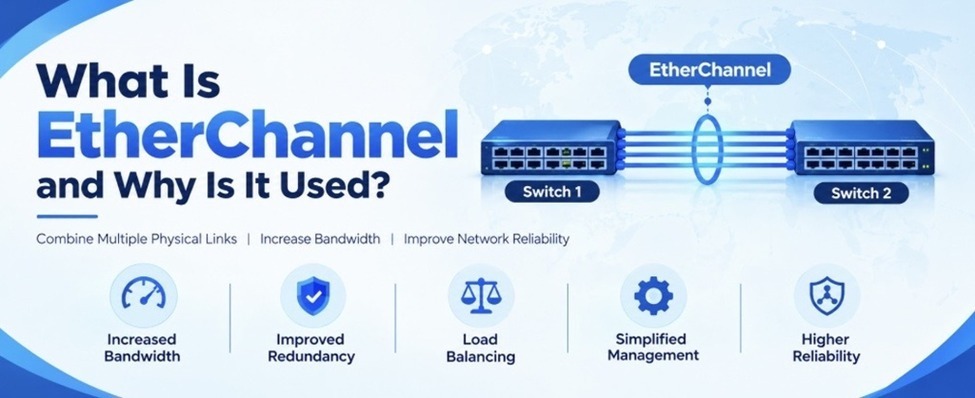
Modern enterprise networks require reliable and high-speed connections between switches, servers, and other network devices. As network traffic increases, a single physical link may not provide enough bandwidth or redundancy. This is where EtherChannel becomes useful. EtherChannel combines multiple physical …
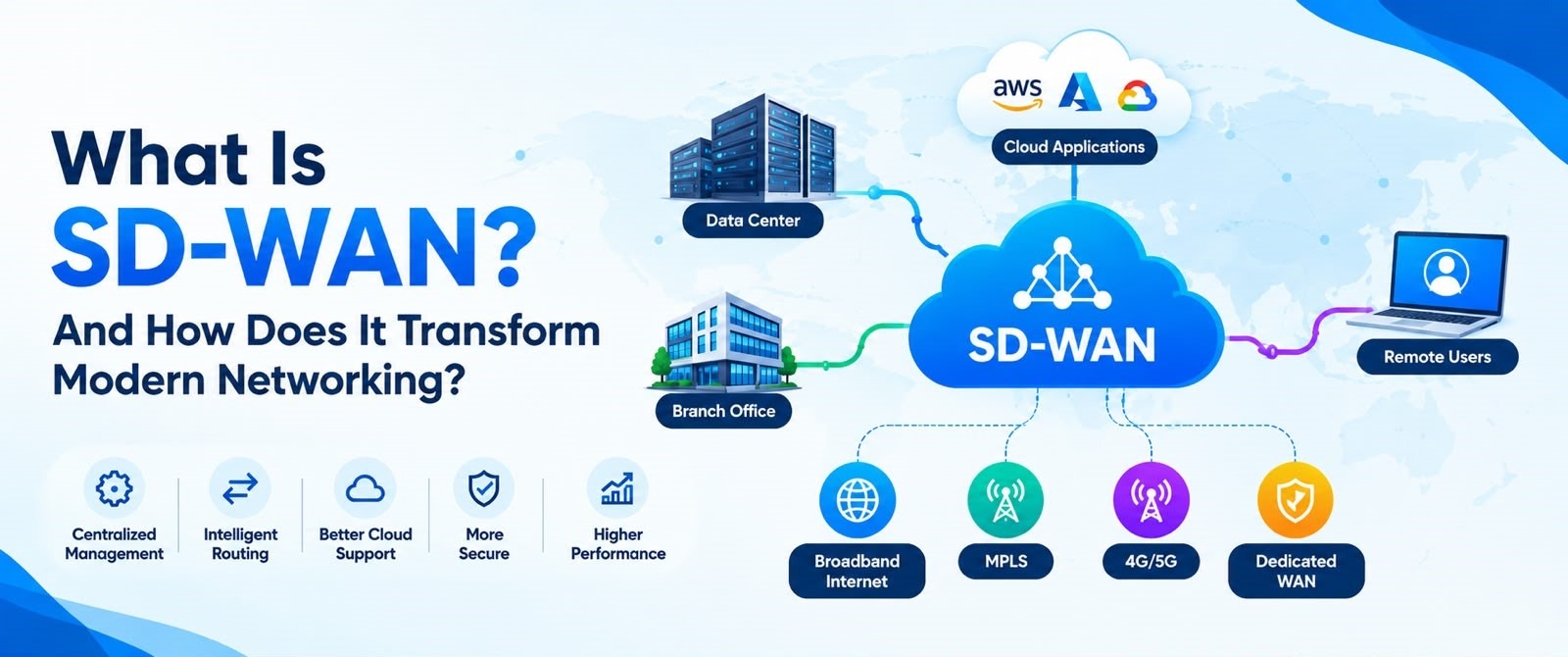
Modern businesses depend heavily on reliable network connectivity to support cloud applications, remote employees, branch offices, data centers, and digital services. As organizations become increasingly distributed, traditional Wide Area Network (WAN) architectures can become complex to manage and may not …